



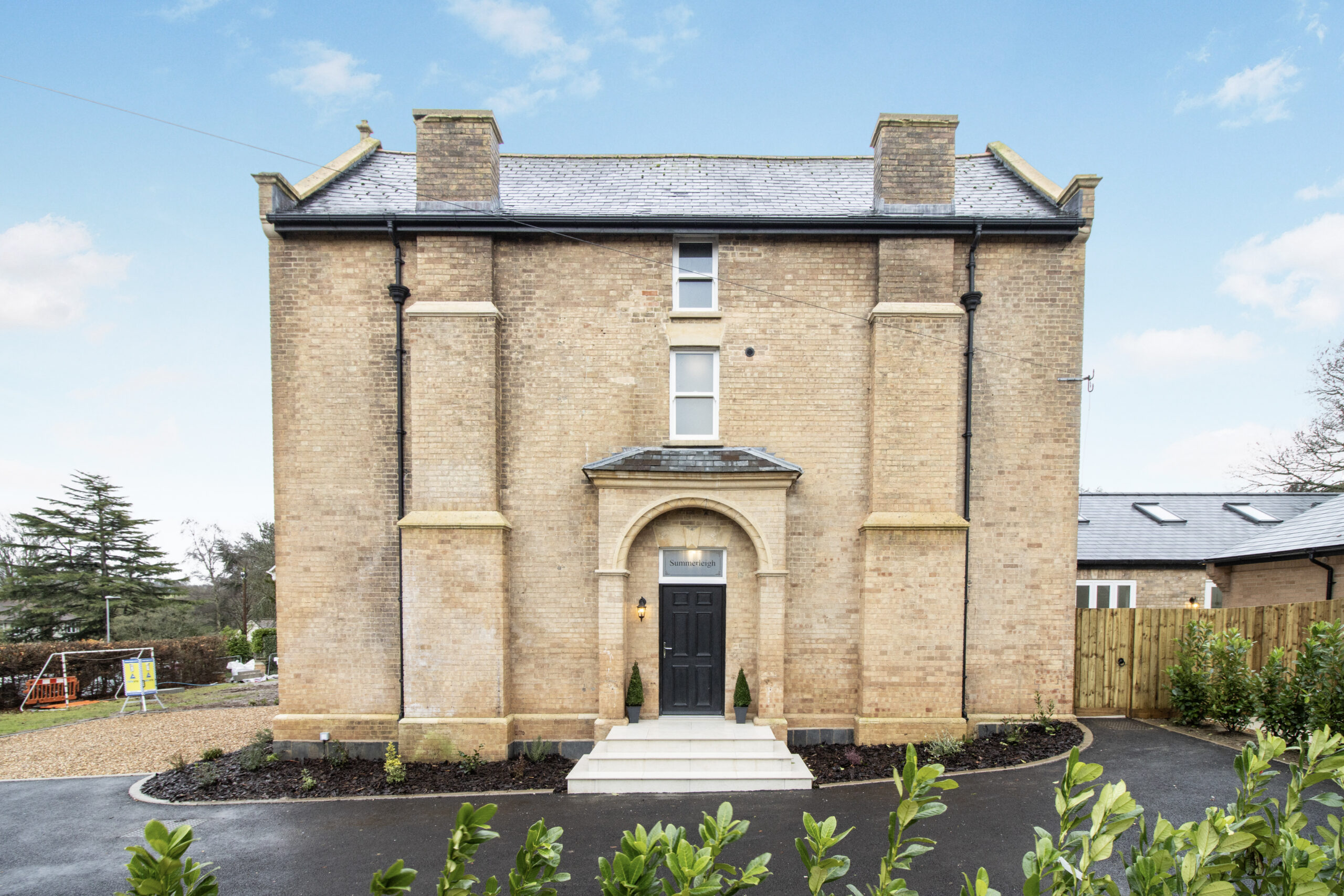
04 Feb Restoring Summerleigh: Heritage Home Restoration by Innobuild
Heritage home restoration is about more than repairs. It protects original character, improves comfort and helps an older building work for modern life without losing its story.
From Channon House to Summerleigh
Summerleigh, formerly Channon House, is a heritage home with deep local roots and a strong architectural identity. Restoring a building like this is very different from a standard refurbishment, because every change must respect what came before.
Older properties often have worn materials, dated layouts and poor energy performance. At the same time, they offer unique period details that you cannot easily recreate. The Summerleigh project focuses on keeping that character while making the home practical, efficient and comfortable to live in.
What Heritage Home Restoration Really Involves
Heritage home restoration means you repair, reinstate and upgrade a building so it is safe, efficient and enjoyable, while you keep its original feel. It always sits between conservation and improvement.
On a home like Summerleigh, the process moves through a few clear but flexible stages.
It starts with a detailed look at the structure, services and building fabric. The team checks roofs, walls, floors, windows and existing wiring and plumbing, and notes where age, damp or movement have caused problems. This step helps everyone understand the risks before any work begins.
Once there is a clear picture of the condition, the next step is to decide what will stay, what you can repair and what you must replace. Features like original windows, staircases, cornices and floors are reviewed one by one. This lets the design team protect the details that give the house its character, while planning sensible upgrades around them.
The design phase then focuses on finding a layout and specification that respect the original proportions and materials but work better for modern life. That might mean opening up cramped areas, improving natural light and planning how to hide new services so the finished spaces feel calm and considered.
Finally, the construction and finishing stage brings everything together on site. Skilled trades work carefully with the existing fabric, carry out structural repairs where needed and install new elements so old and new sit comfortably alongside each other. The goal is a clean, long lasting result that feels solid and true to the building’s story.
Blending Heritage Character with Everyday Comfort
On a project like Summerleigh, every decision aims to balance character with comfort. The team protects original features, but they also make sure the home works for daily life.
Character and comfort do not need to compete. At Summerleigh, original details and proportions guide the look and feel, while quiet modern upgrades in insulation, heating, ventilation and lighting make the home warmer and more efficient.
Work on the building can include restoring or replicating period style elements, improving insulation and ventilation, upgrading heating and electrics and refining the layout so spaces feel more open and brighter. The finished home should feel honest to its history, but also calm, warm and easy to live in.
The real test is how the house feels when you walk through it. A successful heritage home restoration feels like stepping into a well loved period property that is also comfortable and ready for modern life, not a museum piece or a generic new build hiding behind old walls.
Practical Steps for Your Own Heritage Home Restoration
If you plan a heritage home restoration, it helps to follow a clear approach.
Start with a thorough survey. Make sure you understand the condition of the roof, walls, foundations, windows, services and any signs of damp or movement. A good survey reduces nasty surprises once work starts.
Decide what must stay. List the features that give your home its character, such as sash windows, staircases, fireplaces or original brickwork. Use this list to guide every design choice so you do not lose something important by accident.
Plan around regulations early. Heritage or older properties may sit under planning or conservation rules, so you need to know what is allowed before you finalise designs or order materials. This can save both time and money.
Set a realistic budget and include a contingency. Once work begins, hidden issues often appear inside walls, floors or roofs. A buffer for unexpected repairs and extra detailing helps you keep the project on track.
Think about energy performance from day one. Look at how you can improve insulation, glazing, heating and ventilation without harming the building’s appearance. If you plan these upgrades from the start, you get better comfort and lower running costs in the long term.
Stay close to the project. Regular site visits and open communication with your professional team keep decisions aligned with your priorities and make it easier to react if something unexpected turns up on site.
Why Heritage Home Restoration Matters
Heritage home restoration keeps local character alive while preparing homes for the future. It respects the craftsmanship and stories in older walls, but it does not freeze them in time.
Projects like Summerleigh, formerly Channon House, show how careful design and construction can reshape a historic property so it stays recognisable, loved and lived in. When you restore a heritage home well, you do not have to choose between history and comfort. You get both in the same place.