



09 Jan Why bespoke builds are worth the investment
Bespoke builds give you a home shaped around your life, not a developer’s template, and that is why they are worth serious consideration if you are planning a new home. When they are designed well, they can feel better to live in, cost less to run over time and hold their value in a changing market.
What do we mean by bespoke builds
A bespoke build is a home that is designed and built specifically for you, rather than taken from a standard house type. You work with a developer, architect or custom build team to shape the layout, room sizes, flow and finishes around how you live day to day.
This is different from buying a typical new build or second hand home, where you are mostly choosing from what already exists and then trying to make it work. With a bespoke build, personalisation is built in from the start instead of being an afterthought.
Do bespoke builds really cost more
In the UK, new build homes in general tend to cost somewhere between roughly £1,700 and £3,500 per square metre to construct, depending on design, location and specification. Bespoke homes often sit towards the upper end of those ranges, because they use more tailored design features, higher quality materials and more specialist trades.
That extra cost can come from things like complex layouts, larger windows, premium joinery or renewable technology, all of which take more design time and higher skilled labour. However, many self builders and custom build clients balance this by choosing carefully where to spend and where to keep things simple.
Why the long term value stacks up
Even if the initial build cost is higher, a well designed bespoke build can work out as good value over the life of the home. Modern bespoke homes are usually built to current or future energy standards, with strong insulation, airtight envelopes, efficient heating and the option to add things like solar panels or EV charging.
That can mean lower energy bills and fewer nasty surprises than you might find with older homes, which can hide damp, poor insulation or outdated services behind charming features. A layout that fits your lifestyle also reduces the need for major remodels later, which helps protect your overall investment.
A home that fits how you actually live
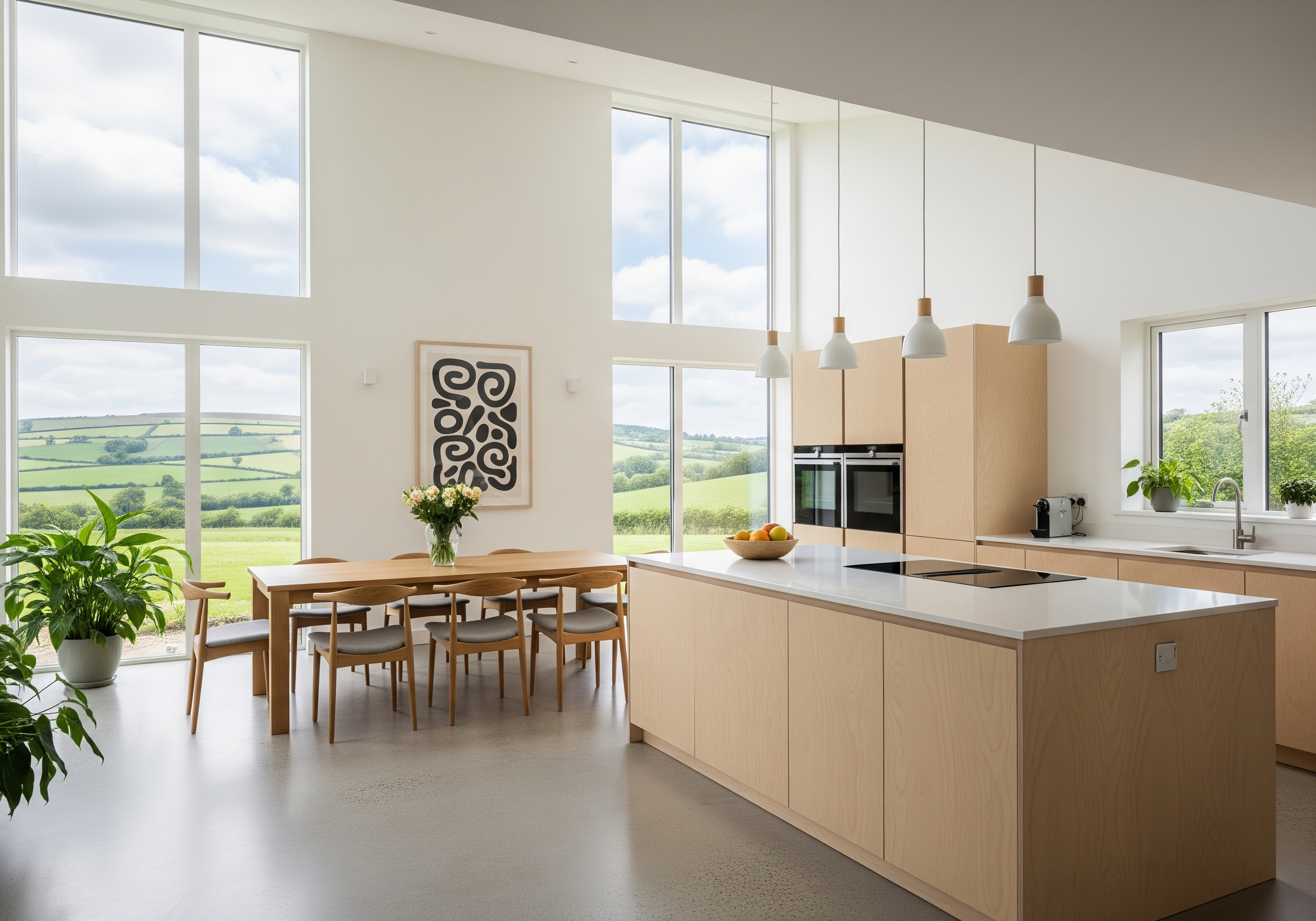
One of the strongest benefits of bespoke builds is simple, practical fit. Instead of adjusting your routines to a standard layout, you can plan spaces around your real life, from open plan family areas to quiet work zones and practical boot rooms.
You choose how many bedrooms you really need, how your kitchen connects to dining and living, and how inside flows to the garden or outdoor space. That kind of everyday convenience is hard to find in off the shelf homes that are designed for a very general buyer.
Better use of every square metre
Bespoke homes make it easier to squeeze value out of each part of the floor plan. Working with a designer or developer, you can reduce wasted corridors, awkward corners and dead spaces and instead build in useful storage and clear circulation.
Custom joinery and fitted elements can be designed to exact sizes, which helps rooms feel calm and ordered rather than cluttered. The result is a home that often feels bigger and more usable than its raw square metre figure suggests.
Quality, craftsmanship and peace of mind
Because bespoke developments are less about volume and more about individual projects, there is usually greater focus on quality and detail. Builders who specialise in bespoke or custom homes often use better materials, tighter site supervision and more careful trades, because their reputation rests on each finished house.
New construction also brings transparency and reassurance, as you and your team can see the structure, insulation and services going in, rather than guessing what sits behind old walls. New materials and systems often come with warranties, which can reduce risk in the early years.
Energy performance and lower running costs
Energy efficiency is one of the clearest areas where bespoke new builds can shine compared to older homes. New builds in the UK are generally designed to meet or exceed current energy regulations, with better thermal performance and lower heat loss.
A bespoke approach lets you go further if you want to, with higher insulation levels, triple glazing, low carbon heating and renewables all designed in from the start rather than bolted on later. Over time those choices can bring real savings on bills, especially as energy prices change.
Future proofing and fewer compromises
Buying an existing home often means accepting a long list of compromises, then funding upgrades to fix them. With a bespoke build you can think ahead, planning for a growing family, working from home or even single level living later in life.
Designers can include flexible spaces, adaptable layouts and provisions for later additions so the home can evolve with you instead of forcing you to move sooner than you would like. That kind of long term thinking is a big part of why bespoke homes can feel like a solid, long term investment.
Is a bespoke build right for you
A bespoke build is not the quickest or easiest route into a new home, so it will not suit everyone. It usually involves more decisions, more collaboration with professionals and a longer timeline than buying a ready made house.
It tends to suit people who care deeply about how their home feels and functions and who are willing to invest time as well as money into getting it right. If speed, minimum involvement and lowest upfront cost are your main goals, a standard new build or renovation might be a better match.
How to approach a bespoke build in a practical way
Start with a simple written brief that explains how you live now, what frustrates you in your current home and what you want life to look like in the new one. This kind of everyday detail is incredibly useful for architects and custom build developers and leads to smarter design decisions.
Be open about budget from the outset and take time to understand realistic cost ranges per square metre for the level of finish you want in your area. Build in a sensible contingency so that you can handle surprises without having to cut back on the things that matter most to you.
Where to invest and where to save
A helpful rule of thumb is to put more of your budget into the parts of the house that are hardest to change later. That usually means the structure, envelope, windows, insulation and main services, because upgrades in these areas can be disruptive and costly once you are living there.
You can often keep finishes like flooring, internal doors or some fitted furniture simpler at first, then upgrade as funds allow, without losing the core performance and feel of the building. This approach helps you get a strong base home while keeping overall costs under control.
Using bespoke builds as a search term
If you are researching online, using phrases like bespoke builds, bespoke new build home, custom build homes or custom home builders plus your area can bring up more relevant results than general property searches. Many specialist developers, architects and custom build enablers use these terms to signal that they work on tailored homes rather than standard house types.
Reading case studies, cost guides and blogs from these teams will help you understand what is realistic for your budget, timescale and level of involvement. From there, you can decide whether a full bespoke build, a more guided custom build route or a different path like renovation is the best fit.