



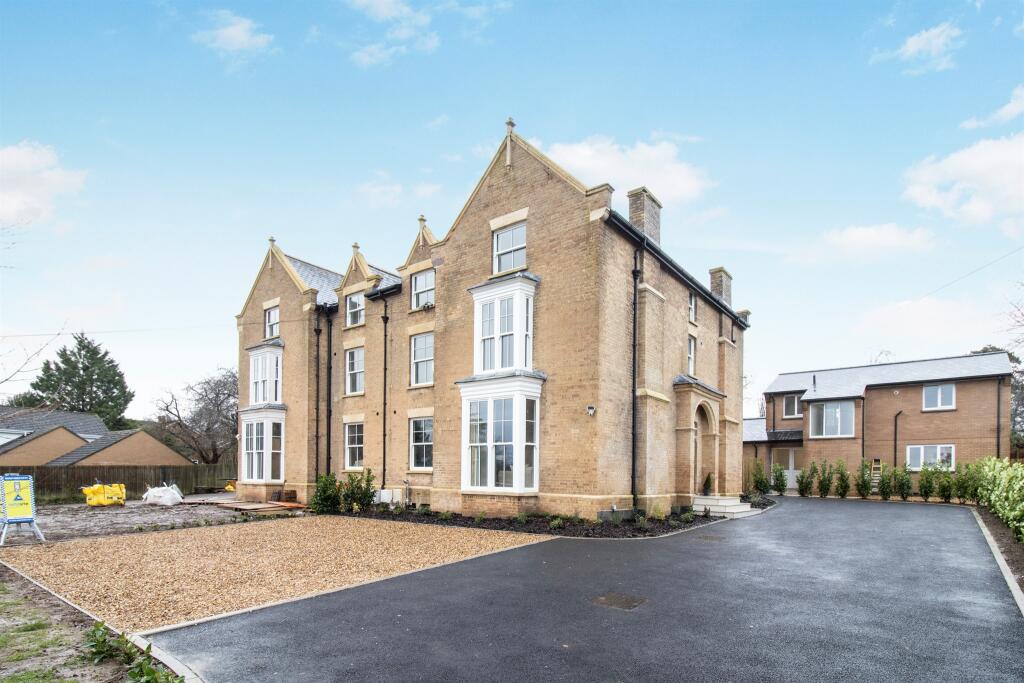
31 Aug How to Retrofit a Period Property Without Compromising Its Character
A period property can present one of the most rewarding renovation opportunities, but it also demands a different approach from a standard modern home.
Older buildings were constructed using different materials, techniques and principles from those used today. Improving their energy performance therefore isn’t simply a case of adding insulation, replacing windows and installing new technology.
A successful period property renovation needs to understand the building before changing it.
The challenge is to improve comfort, efficiency and functionality while retaining the architectural details and materials that give the property its identity.
Start with the building, not the solution
One of the biggest mistakes in renovating an older property is deciding on the improvements before understanding how the building actually works.
Traditional buildings can behave very differently from modern cavity-wall construction. Their materials, ventilation, moisture movement and thermal performance are all interconnected.
Before work begins, the existing structure needs to be properly assessed. That means understanding the construction of the walls, roof and floors, identifying areas of moisture or deterioration and establishing which elements are original and worth retaining.
This is particularly important because an intervention that works perfectly well in a modern building may be inappropriate for a traditional one.
Good period property renovation starts with diagnosis rather than assumptions.
Energy efficiency doesn’t have to mean losing character
Improving energy performance is increasingly important for homeowners, but older properties often have features that owners don’t want to lose.
Original windows, timber details, fireplaces, cornicing, doors, masonry and exposed structural elements can all contribute to the character of a building.
The answer isn’t necessarily to remove them.
Instead, the renovation should consider where performance can be improved without unnecessarily compromising the existing fabric.
Historic England’s latest research into traditional buildings found that the embodied carbon associated with a range of retrofit packages was paid back through operational carbon savings within relatively short periods. The research also highlights why retrofit measures need to be considered as part of the building’s wider lifecycle rather than looking at energy efficiency in isolation.
That makes the relationship between conservation and sustainability particularly interesting.
A period property doesn’t necessarily need to become unrecognisable to perform better.
Insulation needs careful consideration
Insulation is often one of the first improvements considered during a renovation, but the right approach depends heavily on the building.
The construction type, moisture behaviour, existing materials and location of the insulation can all affect how the building performs.
This is especially relevant in traditional solid-wall properties, where simply applying modern materials without considering moisture movement can create unintended problems.
The aim should be to improve thermal performance while maintaining a healthy building fabric.
That requires the materials and construction methods to be considered together, rather than selecting insulation products in isolation.
For a complex period property renovation, the detail matters just as much as the headline specification.
Ventilation matters too
Improving airtightness and insulation can reduce unwanted heat loss, but ventilation still needs to be properly considered.
Older properties often have a level of natural air movement through gaps and less airtight construction. Once a renovation improves the building envelope, the ventilation strategy can change.
That means a high-performance renovation needs to consider how fresh air enters the building, how stale or humid air is removed and how the system interacts with the rest of the building.
This is one reason whole-building thinking is so important.
Insulation, airtightness, glazing, heating and ventilation shouldn’t be treated as independent upgrades. They need to work together.
Don’t overlook embodied carbon
There is another reason to think carefully before replacing existing elements.
The materials already present in a building represent an investment of resources and carbon.
Demolishing and replacing everything may sometimes be appropriate, but it isn’t automatically the most sustainable option.
Historic England has highlighted the importance of considering embodied carbon when assessing retrofit options, noting that retaining and adapting existing buildings can preserve carbon already invested in their construction.
The Government is also increasingly examining embodied carbon in construction, with research published in 2025 looking at the practical, technical and economic implications of measuring and reducing it in new buildings.
For a period property renovation, this reinforces an important principle: don’t replace something simply because it is old.
First ask whether it can be repaired, upgraded or incorporated into the finished building.
Modern performance, without a modern-looking building
One of the most satisfying aspects of renovating a period property is that high performance doesn’t have to dictate the aesthetic.
A building can retain its original proportions, materials and architectural details while introducing modern systems and construction techniques behind the scenes.
That might mean carefully upgrading insulation, improving airtightness, introducing more efficient heating, upgrading glazing where appropriate or incorporating mechanical ventilation.
The finished property can still feel unmistakably like the building it started as.
The technology doesn’t need to dominate the architecture.
In many successful projects, the best improvements are the ones you barely notice.
The importance of getting the details right
Period properties rarely offer straightforward construction.
Walls may not be perfectly straight. Existing floors may vary. Original materials may be difficult to match. Previous alterations can reveal unexpected issues once work begins.
That is why renovation requires flexibility and experience.
A drawing can show the intended outcome, but the construction process will often reveal information that wasn’t visible at the design stage.
The ability to respond to those discoveries without compromising the overall vision is an important part of successful period property renovation.
Character and performance aren’t opposites
The idea that homeowners have to choose between preserving character and improving performance is becoming increasingly outdated.
The better question is how the two can work together.
A period building can be made warmer, more comfortable and more efficient while retaining the features that make it distinctive.
But achieving that balance requires a considered approach.
It means understanding the existing building, choosing appropriate interventions and making decisions based on how the property works as a whole.
For Innobuild, that is where renovation becomes more than simply updating an old house.
It becomes an opportunity to respect what already exists while giving the building a future.
A better approach to period property renovation
The best period renovations don’t begin by asking what can be ripped out and replaced.
They begin by asking what is already working, what needs improving and what makes the building worth preserving.
From there, modern construction techniques and building services can be introduced where they genuinely improve the property.
The result should be a home that retains its history but isn’t trapped in it.
Because good period property renovation isn’t about choosing between character and performance. It’s about making the two work together.