



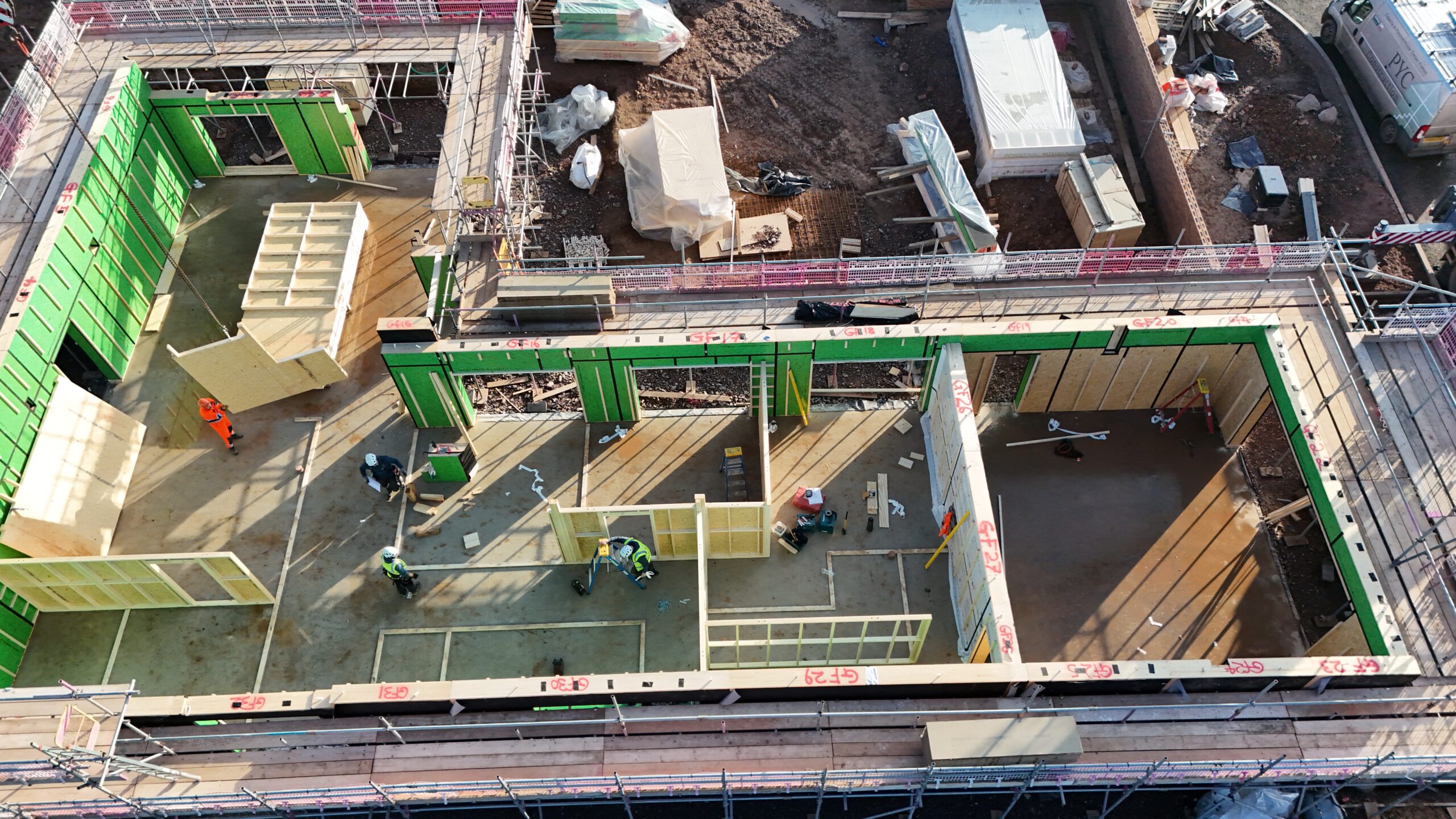
16 May The 2025 Construction Landscape: Trends and Predictions
Understanding the 2025 Construction Landscape
The construction industry is evolving fast. With sustainability, technology and new regulations all playing a bigger role, 2025 is shaping up to be a big year for change. Whether you’re planning a project, working in construction or just curious, here’s what to expect and how to prepare.
What’s driving change in 2025?
One of the biggest forces behind change is the growing pressure to build sustainably. There’s a renewed push for low-energy homes that are cheaper to run and better for the environment. This means more solar panels, more heat pumps and stronger regulations around energy use in new homes.
Tech is also playing a bigger role than ever. Tools like Building Information Modelling (BIM), digital planning software and smart project management platforms are making builds faster, more accurate and more cost-effective. As tech gets more accessible, it’s becoming part of everyday life on site.
And let’s not forget about housing demand. The private sector is continuing to drive growth in residential construction, especially around Build-to-Rent schemes and developments aimed at first-time buyers. The government is supporting this trend, which means more opportunities for property developers and construction firms alike.
Trends to watch
Sustainability is no longer a buzzword, it’s becoming the norm. The government’s Construction 2025 strategy is aiming for a 50 percent reduction in greenhouse gas emissions. That’s pushing builders and developers to rethink the materials they use and how they design homes. At Innobuild, we’re already working with low-impact materials and energy-efficient finishes to stay ahead of the curve.
The skills gap is another key issue. As demand for homes increases, the construction workforce is under pressure. There’s a lack of skilled labour, especially in areas like carpentry, joinery and project management. The industry needs to attract new talent while also upskilling the people already working in it.
Economic conditions are also in the spotlight. The UK economy showed growth earlier in the year, but experts are warning that it might not last. With inflation, interest rates and trade pressures still shifting, developers and contractors will need to stay agile and plan for uncertainty.
What you can do now
If you’re a homeowner, it’s worth thinking about energy upgrades. Solar panels, better insulation and low-carbon heating systems can make a big difference to your bills and your carbon footprint.
If you’re a developer or builder, now’s the time to double down on digital tools. Software that improves accuracy, forecasting and communication can help you deliver projects more efficiently.
If you’re an investor or landowner, Build-to-Rent and eco-conscious developments are areas with growing momentum. These projects are being backed by policy and driven by real demand.
FAQs about the 2025 construction landscape
What are the biggest challenges for construction in 2025?
The main challenges are a shortage of skilled workers, rising costs and new environmental rules that require a more sustainable approach to building.
How is technology changing construction?
Technology is helping to reduce errors, speed up delivery and improve collaboration between teams. Tools like BIM and digital planning software are now essential parts of most major builds.
What is the future of residential development?
The focus is shifting to long-term solutions like Build-to-Rent schemes and energy-efficient homes. Private developers are leading the way, supported by government policies aimed at addressing the housing shortage.
Are green homes becoming the standard?
Yes. With new targets and tighter building regulations on the horizon, sustainable homes will soon become the default rather than the exception.
Final thoughts
The construction industry is facing big changes in 2025, but also big opportunities. Sustainability, tech and smart development strategies are reshaping how we build. At Innobuild, we’re focused on staying ahead of these changes through tailored, energy-efficient builds that deliver long-term value. If you’re planning a project or looking for a build partner that thinks ahead, we’re here to help. Contact us to discuss your plans, and follow Innobuild on LinkedIn to stay up to date with the latest industry insights.